A career is a few thousand small moments of teaching.
Put together, they make a person.
The educator came first.
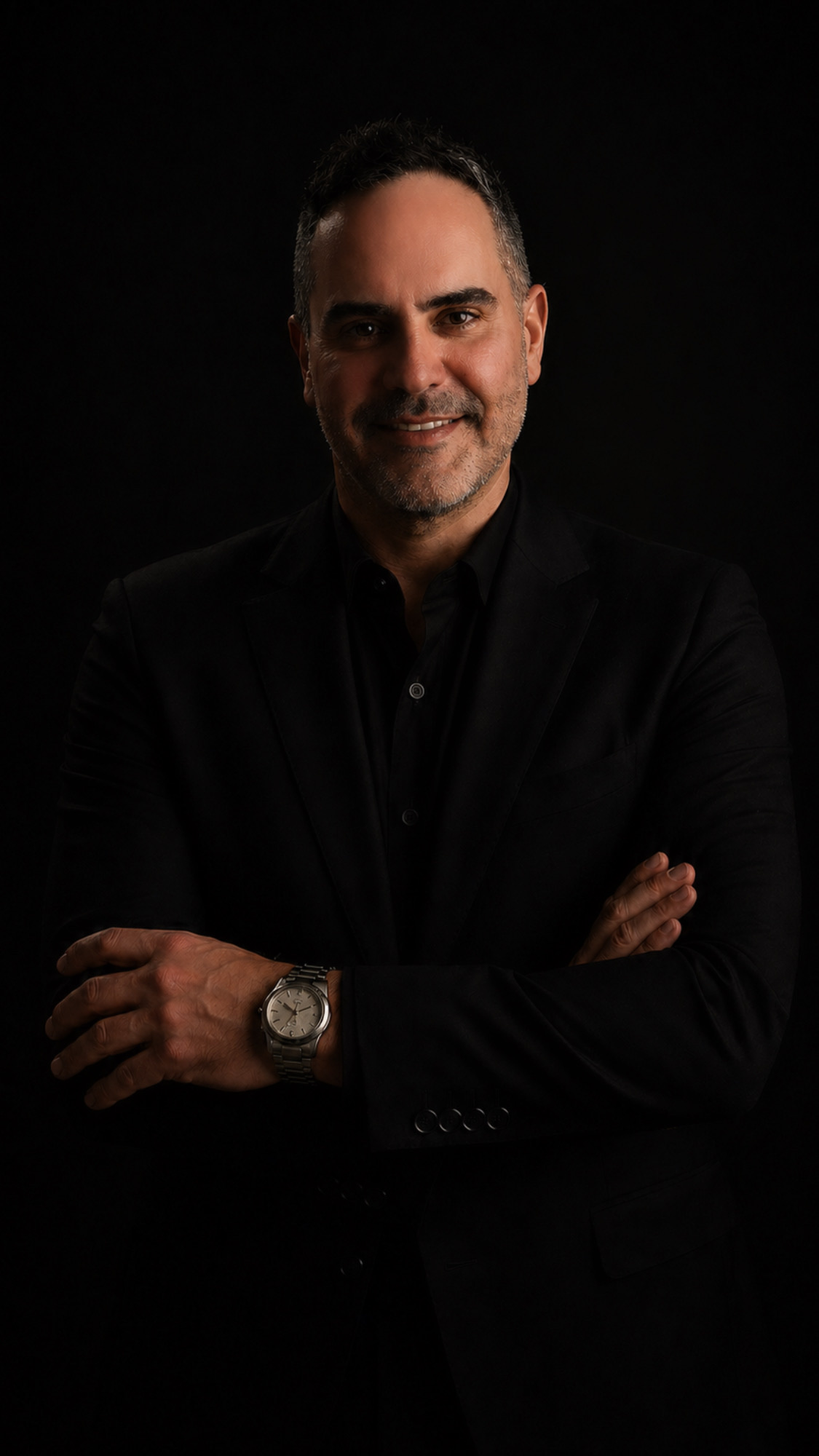
Physician, professor, hospitalist for seventeen years. But teaching is the through line, and it started before any of it.
I grew up in Queens, the son of Hungarian immigrants and the grandson of Holocaust survivors who started over in America. Nobody in my family had gone to medical school, so there was no map. There was also no question. I never really considered anything else.
I found my own way in. Volunteering in an emergency room at fifteen, hanging IV bags and cleaning trauma bays. A patient care associate at nineteen, sitting safety watch overnight. Nights and weekends on a volunteer ambulance crew. For a while I delivered hospital mail, pushing a cart through critical care units, because it put me near the work.
In college I doubled up: pre-med by day, nursing school at night at a separate university, because I believed those skills would make me a better doctor. I majored in biology, focused my honors work on education, and taught at a high school in Albany. Medical school came later, at the Medical School for International Health at Ben-Gurion University in collaboration with Columbia, then a master’s in public health at Columbia Mailman.
None of it was a straight line, and that turned out to be the point. Most physicians pick up teaching somewhere along the way. For me it ran the other direction. Teaching was the first professional identity I ever had, and medicine became the subject.
I’ve been a practicing hospitalist since 2009. I’m a Professor of Medicine and Medical Education at the Icahn School of Medicine at Mount Sinai, where I work in the Division of Hospital Medicine, direct the acting internship clerkship, and direct education for the division. For more than a decade I’ve also been a Senior Associate Program Director for a large internal medicine residency program at an academic medical center in New York. The school’s Institute for Medical Education has named me a Master Educator, its highest designation for a faculty educator.
Outside my own institution, the work is simpler to describe. I teach the people who teach the next generation of physicians. Bedside rounding, feedback that changes behavior, clinical reasoning, leadership communication, and lately, how to stay a credible educator in a specialty being reshaped by AI.
The sessions started at home and traveled. More than 1,000 learners so far, across a dozen institutions, through 60 or more invited talks, workshops, and visiting sessions, from local to international. Along the way I’ve designed, launched, and scaled longitudinal mentorship structures across graduate medical education.
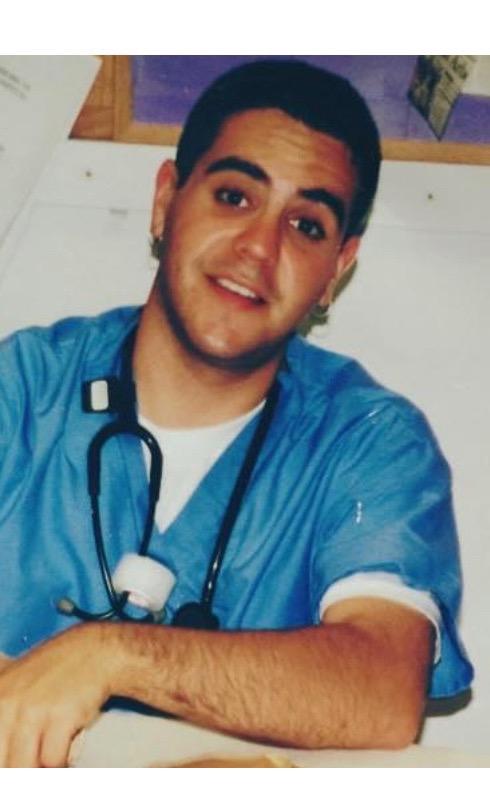

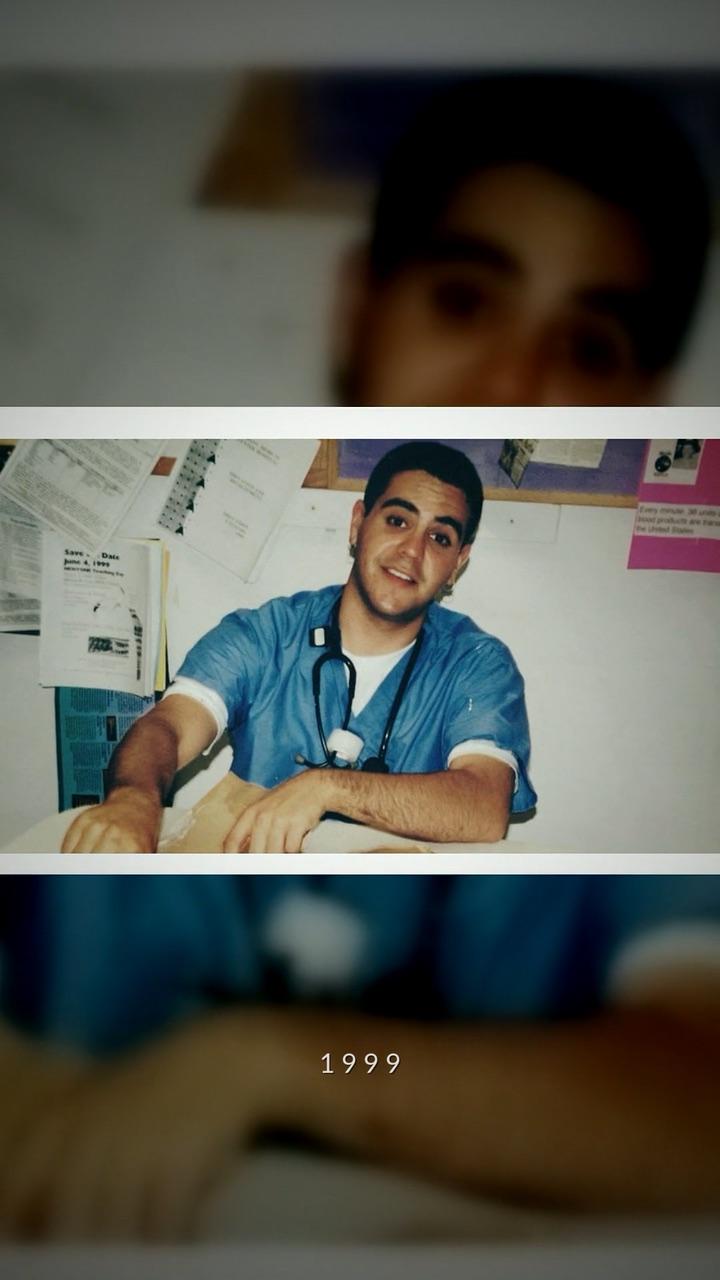
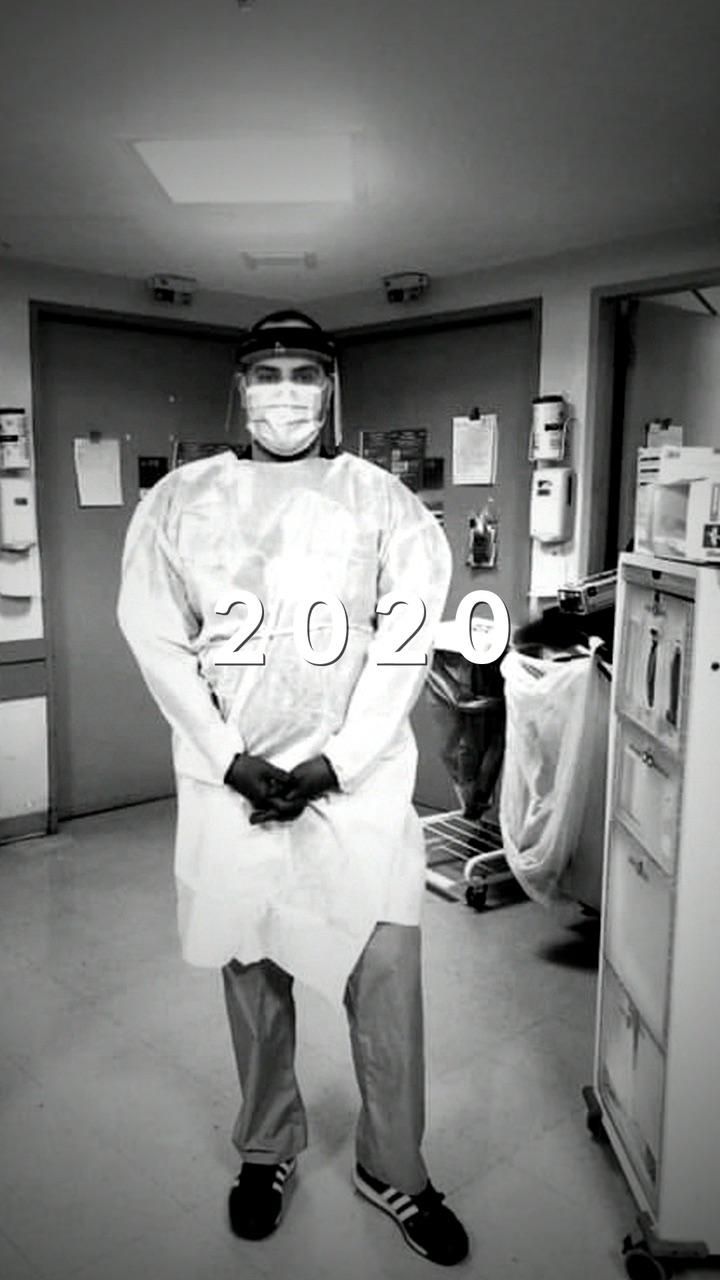
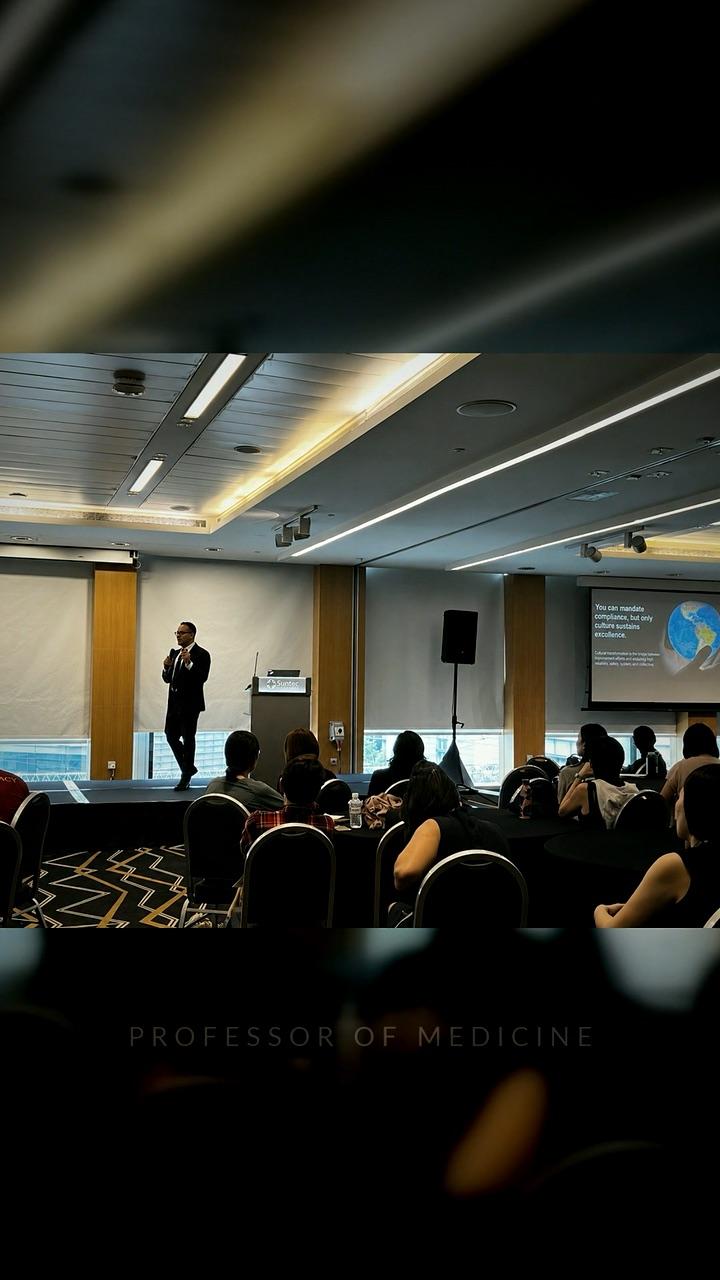
Frames from the launch film. The whole thing lives on Instagram. @drericbarna
Meet people where they are. Hold high expectations. Create the conditions where real growth actually happens.
Most faculty development fails on the third clause. Technique can be taught in an afternoon. Conditions take design. The design is the part I care about most, and it’s the part programs usually skip.
Recognition
- Master Educator, Institute for Medical Education, Icahn School of Medicine at Mount Sinai, 2026
- Hospital Medicine Teacher of the Year, elected by residents, 2020 and 2024
- Educator of the Year, Division of Hospital Medicine, 2016 and 2023
- Senior Fellow in Hospital Medicine, Society of Hospital Medicine
Education
- MD, Medical School for International Health, Ben-Gurion University, in collaboration with Columbia University
- MPH, Columbia Mailman School of Public Health
- Completed an associate’s degree in nursing before medical school
Writing and presenting
- Published in The Hospitalist and NEJM Catalyst
- Two book chapters
- Presented at the Society of Hospital Medicine, the Society of General Internal Medicine, and the Alliance for Academic Internal Medicine